


A retreat does not begin when the first formal session appears on the schedule. It begins earlier, often with the first shared meal, the first real conversation, and the moment everyone stops feeling like a collection of arrivals and starts feeling like a gathering.
At Soul of the Valley, that moment happens around a long table at nightfall.
The welcome dinner at Soul of the Valley is more than the first meal of the retreat. It is the opening act.

Before the menu, there is the place
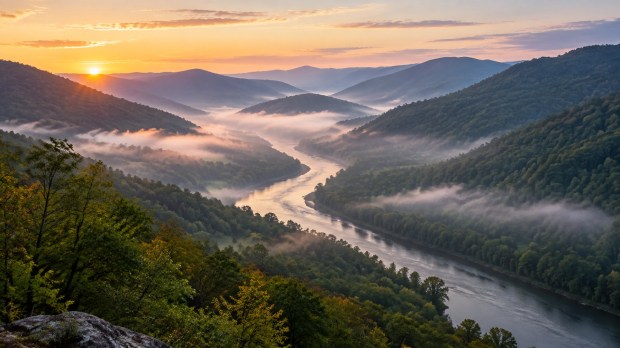
On night one, guests gather at a long table in the candlelight as a whole local rainbow trout is filleted tableside. Before the menu is introduced, the host introduces the river: the landscape, the season, and the place that will hold us for the days ahead.
That order matters.
The dinner does not begin with a list of ingredients or a polished explanation of what is about to arrive. It begins with attention. The river comes first. The mountain setting comes first. The story of the place comes first.
It is a gentle reminder that food does not appear in isolation. A meal has a landscape behind it, a season around it, and a community of people who make it possible. The trout is not simply a centerpiece. It is part of the evening’s conversation. A way of connecting the table to the water, the water to the valley, and the valley to the people gathered there.
And yes, there is something wonderfully grounding about watching a whole fish become dinner in front of you. It is practical, beautiful, and just theatrical enough to earn the phrase opening act. No spotlight operator required.
A table built for conversation
The long table does more than give everyone a place to sit. It creates a shared rhythm.
There is no need to perform the perfect introduction or arrive with a polished retreat persona. Guests can settle in. They can ask questions, listen to the story of the river, notice the changing light, and begin the small conversations that eventually become the memorable ones.
A well-made welcome dinner leaves room for pauses. It allows someone to talk about where they traveled from, while someone else points out the view. It lets a conversation about the trout turn into a conversation about family, food, work, rest, or the last time anyone actually sat through an entire meal without checking a notification.
That kind of ease is part of the design.
Soul of the Valley is not trying to rush guests toward instant intimacy. The dinner simply gives connection a place to begin. Around the table, people can be curious without being pressured, present without being perfect, and nourished without having to explain why they needed a few days away in the first place.
The menu is curated, not ordinary
The menu is not planned in the ordinary sense. It is curated: shaped by local ingredients, the mountain setting, and the intention of creating space for meaningful conversation, nourishment, and presence.
Curation is different from excess. It is not about placing as many choices as possible in front of guests or turning dinner into a culinary obstacle course. It is about knowing what belongs, what is in season, and what will help the evening feel connected to its surroundings.
At Soul of the Valley, the food follows the setting rather than competing with it. The menu has a sense of place. It allows the ingredients to be recognized, shared, and enjoyed at a pace that suits the evening.
That might mean beginning with a plate placed in the center of the table, inviting everyone to reach in. It might mean allowing the trout to remain the visual and conversational anchor of the meal. It might mean letting the final course arrive after the sky has shifted from sunset to deep blue and the candles have become the brightest points on the table.
Nothing needs to shout. The mountain has already handled the grand entrance.


Presence is part of the nourishment
There is a particular kind of hunger that is not solved by food alone. It is the hunger for quiet, for beauty, for unhurried conversation, and for the feeling of being somewhere long enough to notice what is around you.
The welcome dinner makes space for that hunger.
The candles soften the edges of the evening. The long table keeps people connected. The river gives the gathering a point of reference. The food creates a reason to pause. Together, these details create an atmosphere where guests can return to the moment without being instructed to do so every five minutes.
That is one of the quiet luxuries of a retreat: the chance to experience presence as something practical rather than performative. You do not have to master anything at the table. You do not have to arrive already restored. You only have to be there: to listen, taste, look up, and let the pace change.
The dinner is not a test of mindfulness. It is simply an evening arranged with enough care that mindfulness has room to appear.
The first shared plate sets the rhythm
From the first shared plate to the final candle, the welcome dinner sets the tone for a retreat designed to slow the pace and reconnect us with what matters.
That tone carries forward.
The next morning feels different when the retreat has already begun with a story rather than an announcement. The landscape feels more familiar after the river has been introduced. The other guests feel less like strangers after everyone has shared a table, a meal, and a few honest laughs.
The dinner becomes a kind of orientation, not to schedules or rules, but to the spirit of the place.
It says that slowing down is not an empty space between activities. It is an experience in itself. It says nourishment includes the meal, the setting, the people, and the attention we bring to all three. It says that meaningful connection rarely needs to be forced. Give it a beautiful table, something good to eat, and enough time, and it will usually find its way in.
A beginning worth remembering
At 52 Big Vistas Lane in Lookout Mountain / Trenton, Georgia, Soul of the Valley opens with an evening that understands the power of a beginning.
The welcome dinner does not try to summarize the retreat before it has started. Instead, it offers an invitation: notice the river, gather around the table, receive the season, and let the place introduce itself.
The trout is filleted tableside. The local menu unfolds with intention. Conversation moves easily between the plates and the view. Candlelight takes over as dusk settles across the ridges.
By the time the final candle burns low, guests have not simply eaten dinner. They have entered the rhythm of the valley.
Learn more about the retreat through the Soul of the Valley experience page, explore practical details in the Soul of the Valley FAQ, or browse the Soul of the Valley guides.
The welcome dinner is the opening act, but it is also the first promise of what follows: a few days shaped by place, nourishment, conversation, and the rare pleasure of having nowhere else to be.