
Monday morning. It’s a phrase that usually carries the weight of a thousand unread emails and the lingering ghost of a weekend that went by too fast. We’ve all been there, staring at the kitchen counter, waiting for the brain to boot up, and realizing that the grocery-store-shelf coffee we bought in a moment of desperation just isn't going to cut it.
If you are going to face the world, you need more than just caffeine. You need a ritual. You need the specific, artisanal magic that only comes from small batch coffee roasters. Welcome to your new Monday Morning Cup, a deep dive into why single origin coffee beans are the absolute stars of the show and how a little bit of intention can turn your morning routine into the best part of your day.
Why Small Batch Roasting is the Secret Sauce
When we talk about small-batch roasting, we aren’t just being trendy. It’s about control, precision, and a healthy dose of obsession. Most commercial coffee is roasted in massive silos where consistency is the goal, but character is the casualty. In those giant industrial roasters, the beans are handled like a commodity.
But at FB Roasters, roasting is an art form. Small batch coffee roasters monitor every variable: the exact temperature of the drum, the airflow, and the precise moment the bean "cracks" to release its oils. Because the batches are smaller (often under 50 pounds), the roaster can react in real-time to the beans' unique needs. This level of attention prevents scorching and ensures that the delicate flavor notes, those hints of jasmine, stone fruit, or dark chocolate, aren't incinerated into a generic "burnt" flavor.
The Freshness Factor
The biggest enemy of a great cup of coffee is oxygen. The second you roast a bean, the clock starts ticking. Industrial coffee often sits in a warehouse for months before it even hits the shelf. By the time you buy coffee beans online from a specialty shop like FB Roasters, you’re getting beans that were roasted to order. That vibrancy you taste? That’s what "fresh" actually sounds like in a mug.

Understanding the Single Origin Difference
You’ve seen the label "Single Origin" on the bags at FB Roasters, but what does it actually mean? In the simplest terms, it’s coffee that comes from one place, a specific country, a specific region, or sometimes even a single hillside on a single farm.
Think of it like wine. A "red blend" is great for a casual dinner, but a single-vineyard Pinot Noir tells a story about the soil, the rain, and the sun of that specific year. Single origin coffee beans are the "terroir" of the coffee world.
Flavor Profiles by Region
When you strip away the blends, you get to taste the geography:
- Latin American Beans: Often nutty and chocolatey with a crisp acidity. Our Latin American Blend is a perfect gateway into this world, offering a gentle cocoa finish that plays well with a quiet Monday morning.
- African Beans: Typically known for being bright, floral, and fruity. These are the beans that will make you do a double-take, yes, coffee can actually taste like blueberries or bergamot.
- Asian/Pacific Beans: Usually heavier in body with earthy, spicy, or even smoky undertones.
When you choose a single origin, you’re not just drinking coffee; you’re taking a five-minute vacation to a different part of the globe. It’s compassionate to yourself to give your palate something interesting to explore before the first Zoom call of the week.
The Art of the Pour-Over
If you’ve invested in high-quality pour over coffee beans, please: for the love of all things holy: don't dump them into a dusty old percolator. To get the most out of your single-origin beans, you want a method that allows for clarity and control.
The pour-over is the gold standard for a reason. Because the water passes through the grounds and a filter manually, you can control the "extraction."
The Ritual Steps:
- The Grind: Use a burr grinder. You want your beans to look like sea salt. If they’re too fine, the water won’t pass through and it’ll be bitter. Too coarse, and it’ll taste like flavored water.
- The Bloom: Pour just enough hot water (around 200°F) to wet the grounds and let them sit for 30 seconds. You’ll see bubbles: that’s the CO2 escaping. This is the coffee "breathing."
- The Slow Pour: Move your kettle in slow, concentric circles. Don’t rush. This is the moment to breathe, look at the steam, and forget about your inbox.

More Than a Drink: A Community
At Dale's Angels Inc., we believe that coffee is a bridge. Whether it's through our podcasting lifestyle or the newly launched FB Roasters shop, we are all about creating a "third place" even if that place is just your kitchen counter. We provide the fuel, but the ritual is yours.
When you buy coffee beans online from us, you aren't just a customer; you're part of a collective that values quality over quantity. We cater to the discerning: those who understand that a $20 bag of expertly roasted beans is a small price to pay for a daily moment of peace and excellence.
Pairing Your Morning Cup with a Good Read
If you’re taking our advice and slowing down, you’ll need something to read while that French Roast cools. We suggest heading over to our online bookstore, Far From Beale Street, to pick up a copy of A Moveable Feast by Ernest Hemingway. Much like a dark, smoky roast, Hemingway’s prose is bold, intense, and stands up perfectly to the morning air.
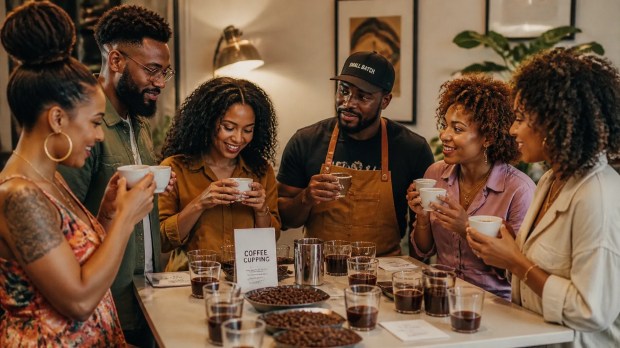
Monday Morning Command Center
- BUY COFFEE FB Roasters Store
- SELECT BEANS Single Origin Collection
- BREW CUP [Pour Over Method Recommended]
- START RITUAL [Monday 0800]
- CONTACT US [felicia.baxter@fora.travel]
- HELP I NEED A VACATION [Subject Line]
Digital Realism & Aesthetic Direction. Rendered by our team. Orchestrated by Felicia. Section 31, TN Chapter.
AI assisted.
